2025-12-11
Research on the Mountains Places the Kurdistan Region on a Much Stronger Path to Confront Climate Change
Every year, the world marks International Mountain Day on December 11th, underscoring that mountains are a vital natural component of the environmental system. The primary source of their formation goes back to the movement of tectonic plates. The Earth consists of several large and small plates that move over the upper layer of the Earth (the mantle). When two plates move toward each other and collide, the process of mountain formation begins. This formation occurs mainly in three ways:
First: Continental-continental collision
This is the most common type for the creation of large mountain chains such as the Zagros Mountains (the mountains of the Kurdistan Region stand on this chain). The formation process happens as follows: when two continental plates (which have low density and cannot be subducted beneath the Earth) approach each other, instead of one sinking under the other, they push against each other and crumple. As a result, folding and faulting occur, and the rock layers are pushed upward, forming high mountains.
Second: Subduction
Third: (plate separation)
As previously mentioned, the mountains of the Kurdistan Region are part of the Zagros Mountain chain and have a very special geological structure. They were formed by the ongoing collision between the Arabian Plate (from the south and southwest) and the Eurasian Plate (from the north and northeast).
The highest mountains in the Kurdistan Region and Iraq are located in the Soran district, with elevations ranging between 1,800 and 3,500 metres above sea level. The highest peak is Chikha Dar at 3,611 metres. The most prominent peaks in this area include Halgurd, Kodo, Handren, Shirin, Qandil, Korek, Zozik, Piran, Hasan Bag, Bradost, and many others.
Climate change is also rapidly affecting the mountains in the following ways:
1. Reduction of snow cover
Due to rising temperatures, much less snow remains on the mountains, which directly affects the recharge of groundwater and the revival of rivers and springs.
2. Increased erosion
Changes in rainfall patterns (heavy rain in short periods) accelerate erosion, leading to flash floods, rockfalls, landslides, or mudflows.
3. Disruption of biodiversity
Continued warming forces many plant and animal species to migrate to higher altitudes. This directly threatens species that live near the summits and are unable to move higher.
Prof. Dr. Kamal Kolo, Head of the Center for Climate Change Research and Sustainable Development at Soran University (who currently supervises a special research project on the mountains and their structures), stated:
“Researching the mountains of the Kurdistan Region forms the essential foundation for properly addressing climate change in this region.” He added that these studies must be carried out from several different perspectives:
1. Water security: to protect natural water sources and select geologically suitable sites for dams.
2. Geological hazards: to identify and reduce risks from earthquakes, rockfalls, and landslides.
3. Biodiversity conservation: to protect the unique animal and plant species that live only in these areas.
4. Development of eco-tourism: to enable sustainable use of the mountains and to establish important research centres within these mountain areas.
5. Proper forest management and monitoring.
It should be noted that the research team of the centre consists of:
Asst.Lect. Ranjbar Moksi, Asst.Lect. Idris Muhammad, Khalat Fadhil, Dilband Ibrahim, Mahdi Muhammad, and Research Assistant Widad Ahmad, in addition to local researchers. Professor Dr. Philip Claeys (Belgium) is one of the international supervisors of the project.
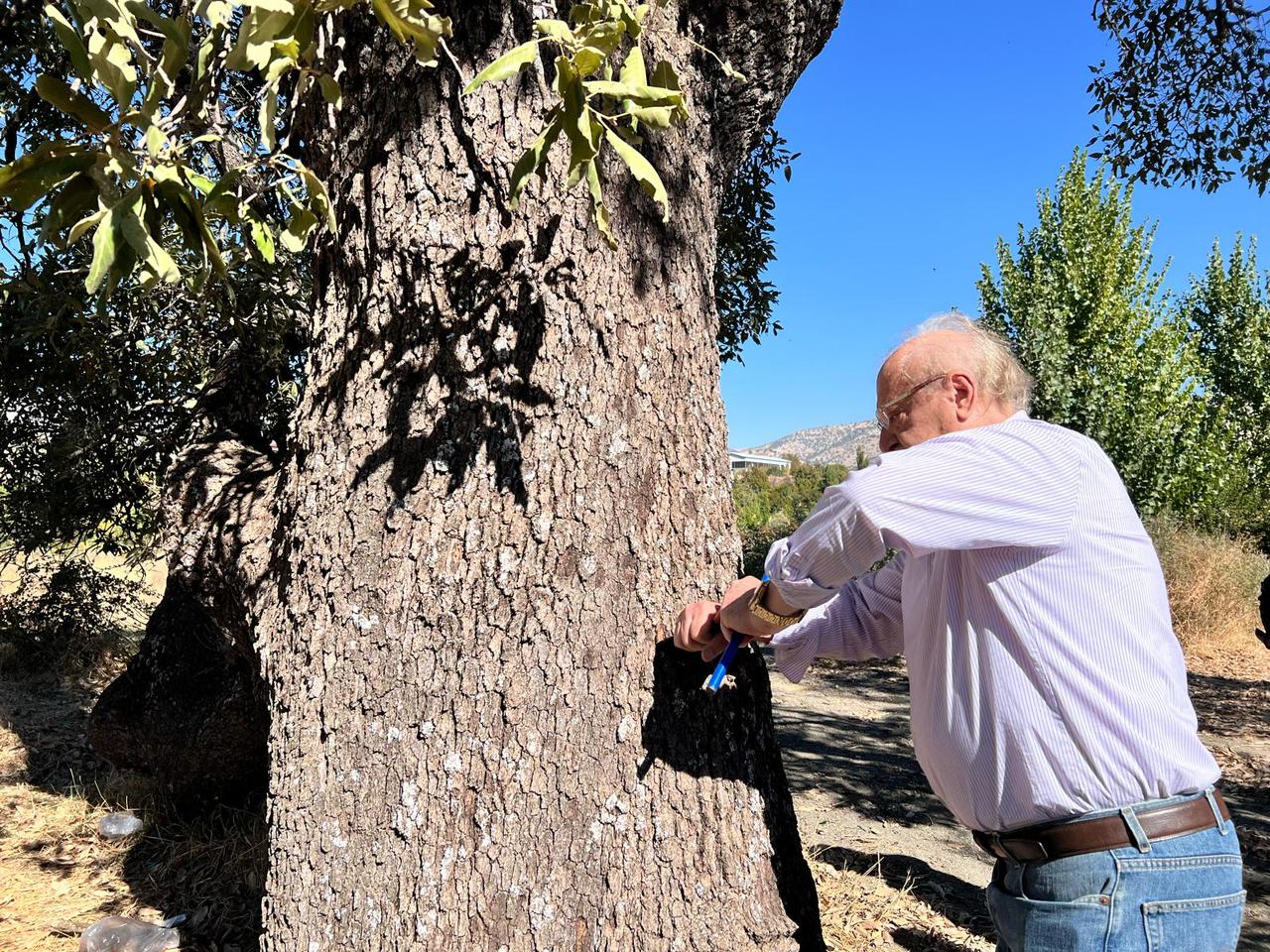
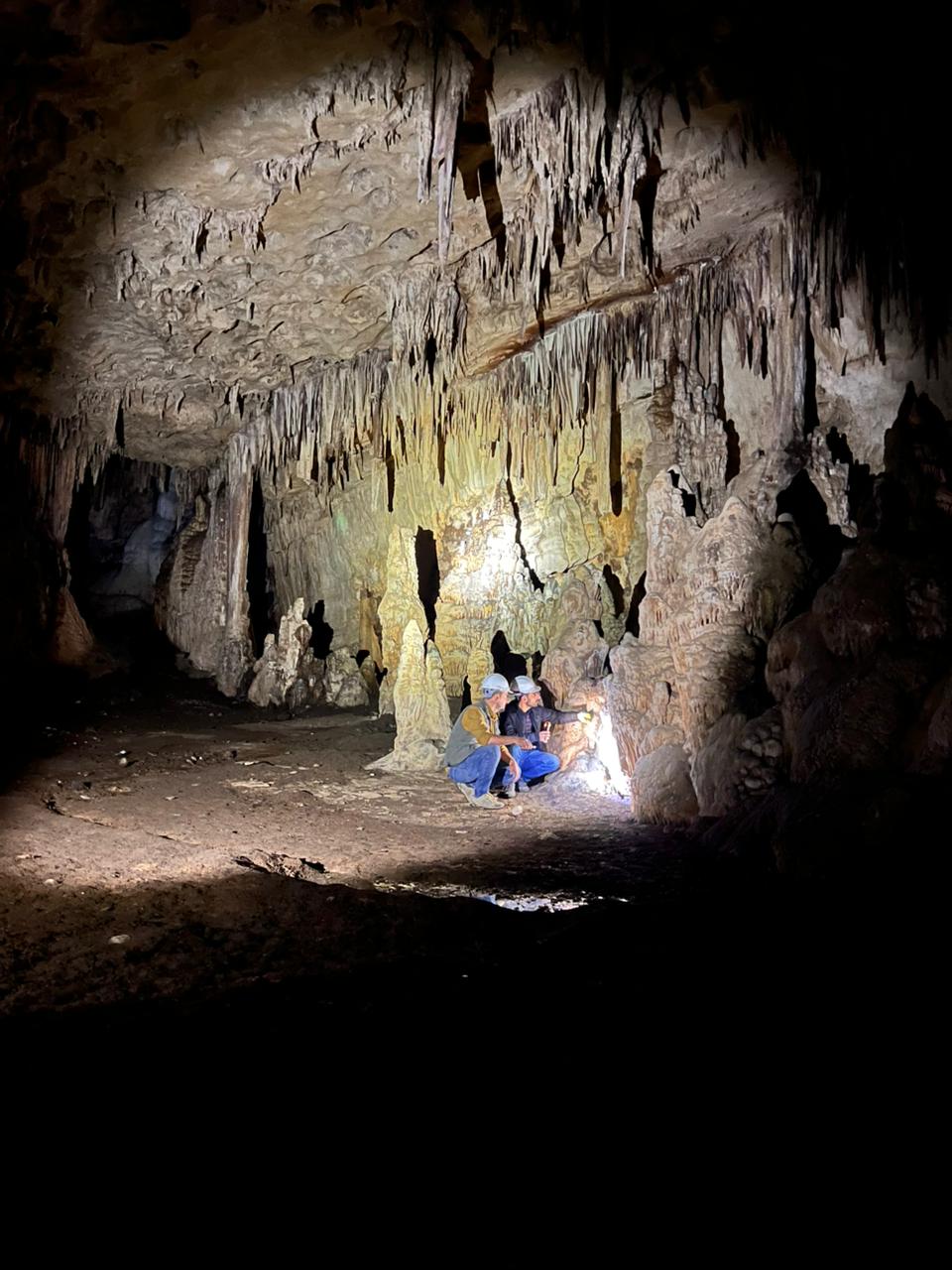
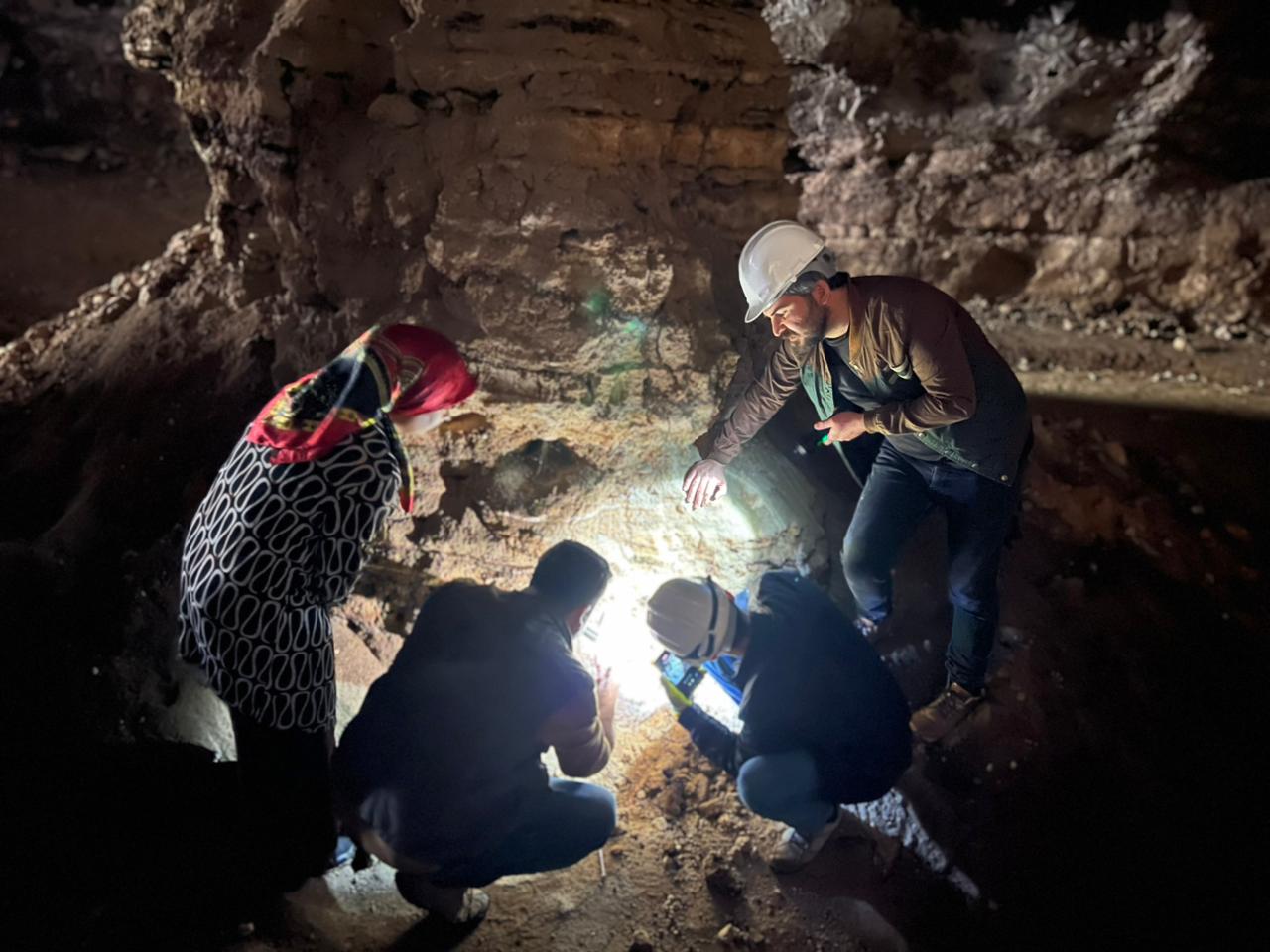
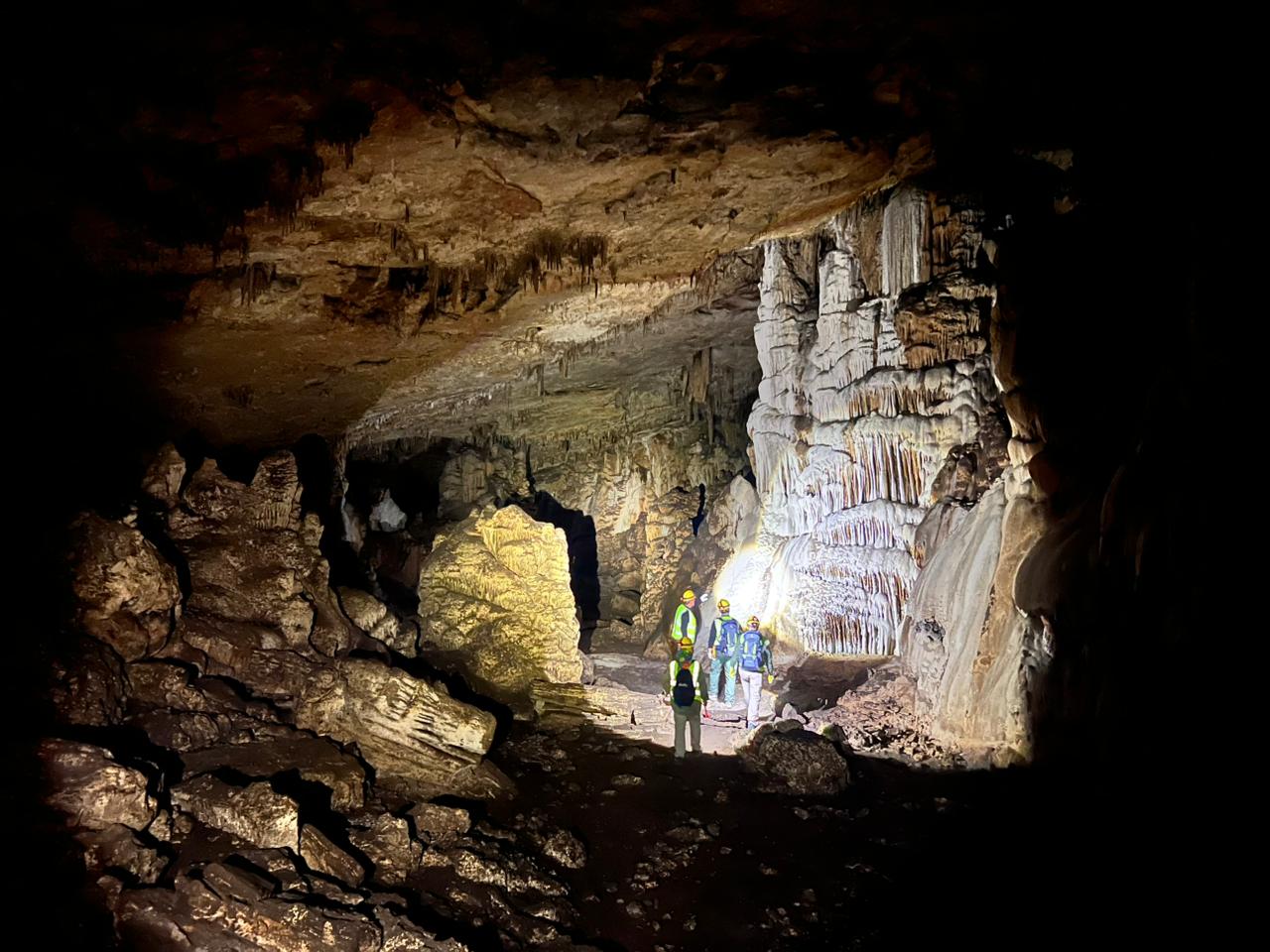
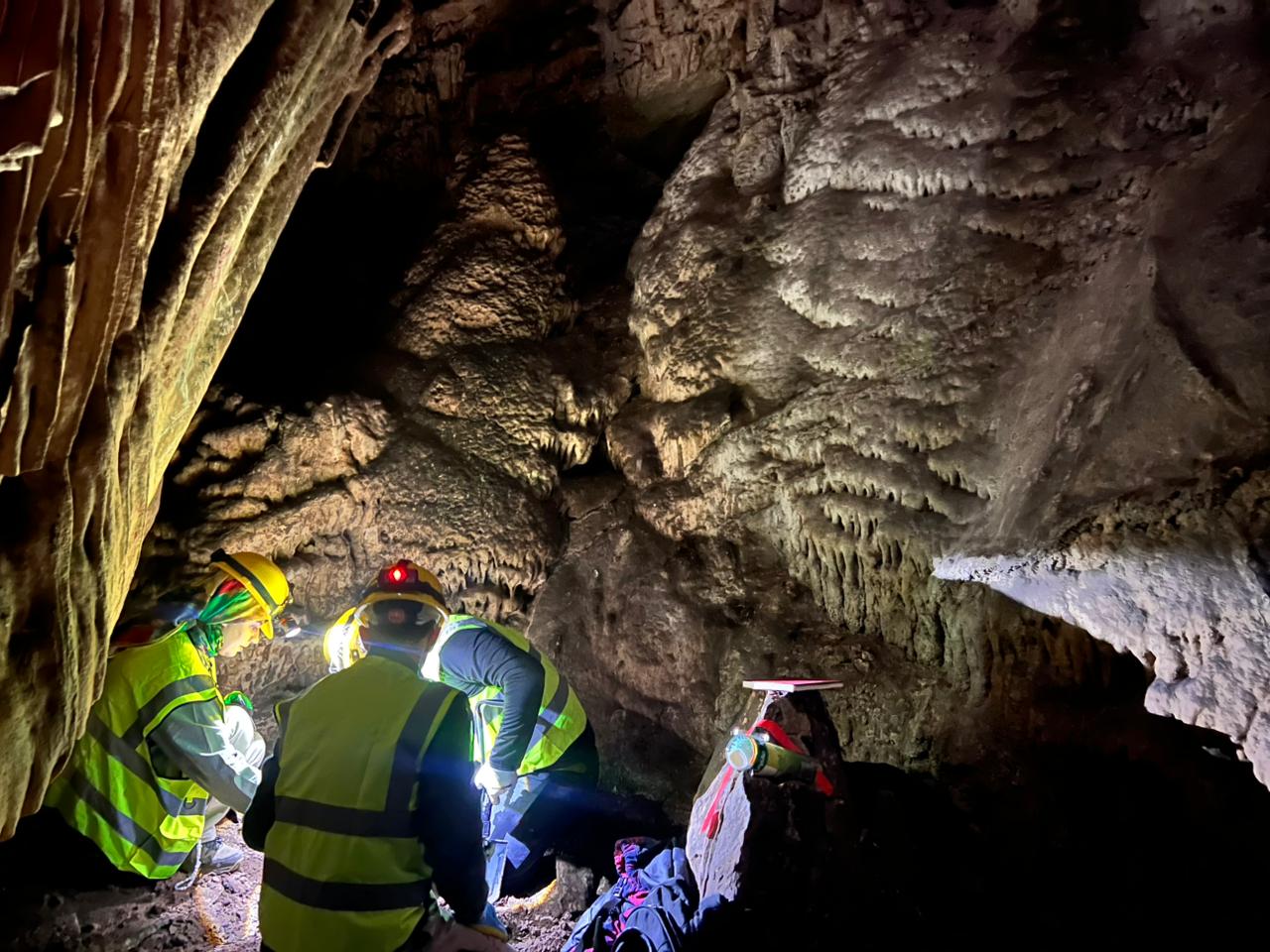
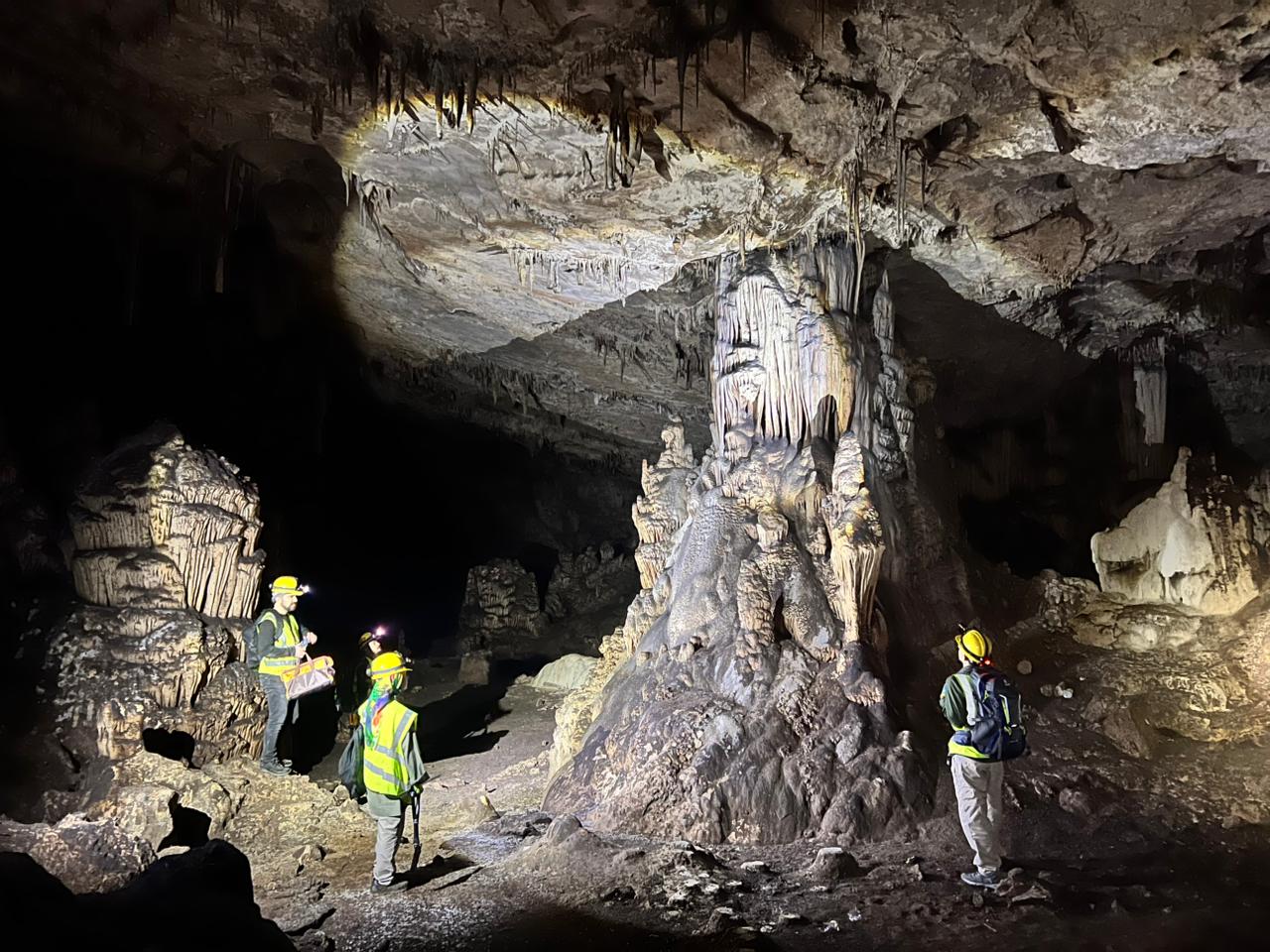
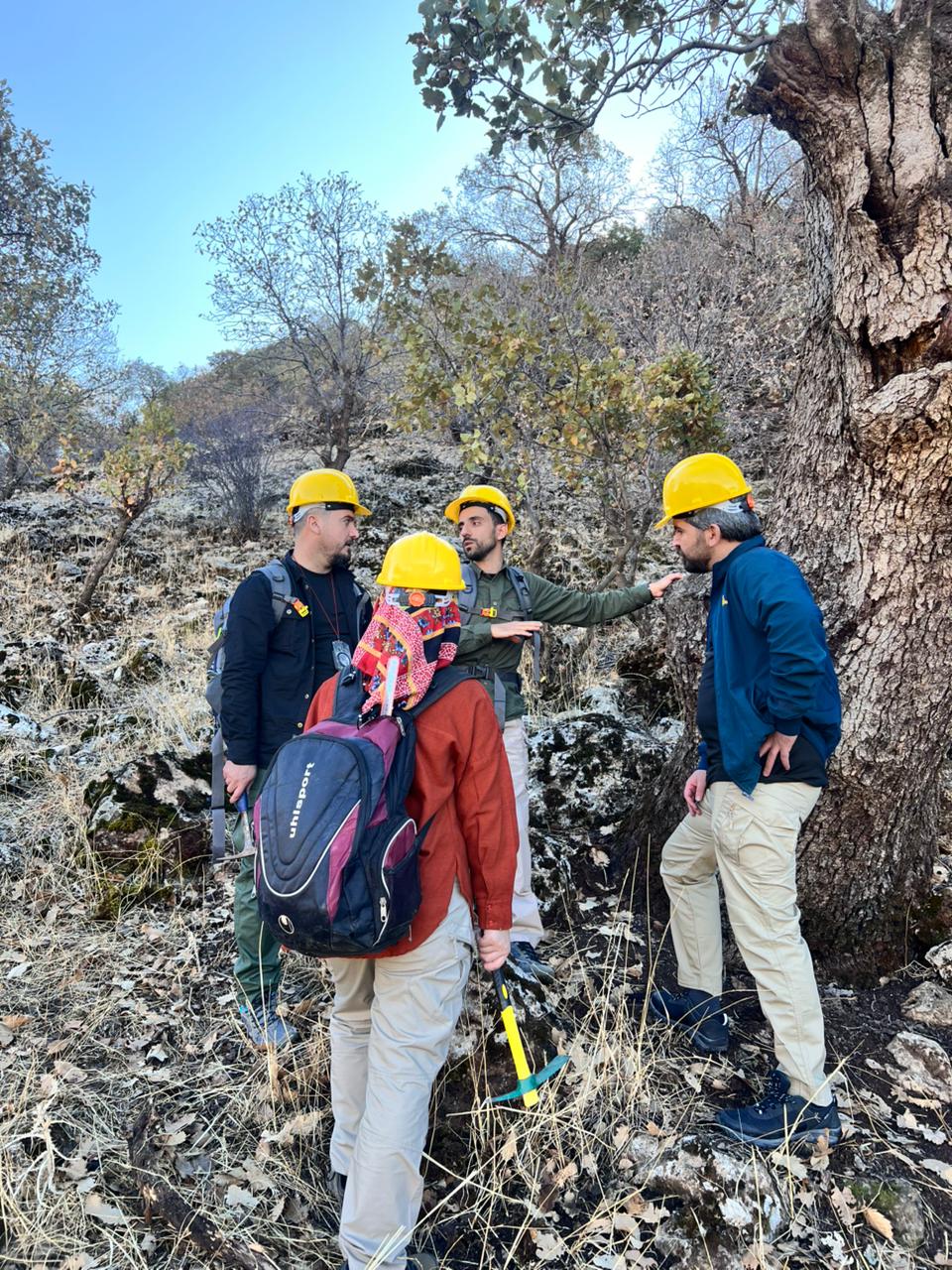
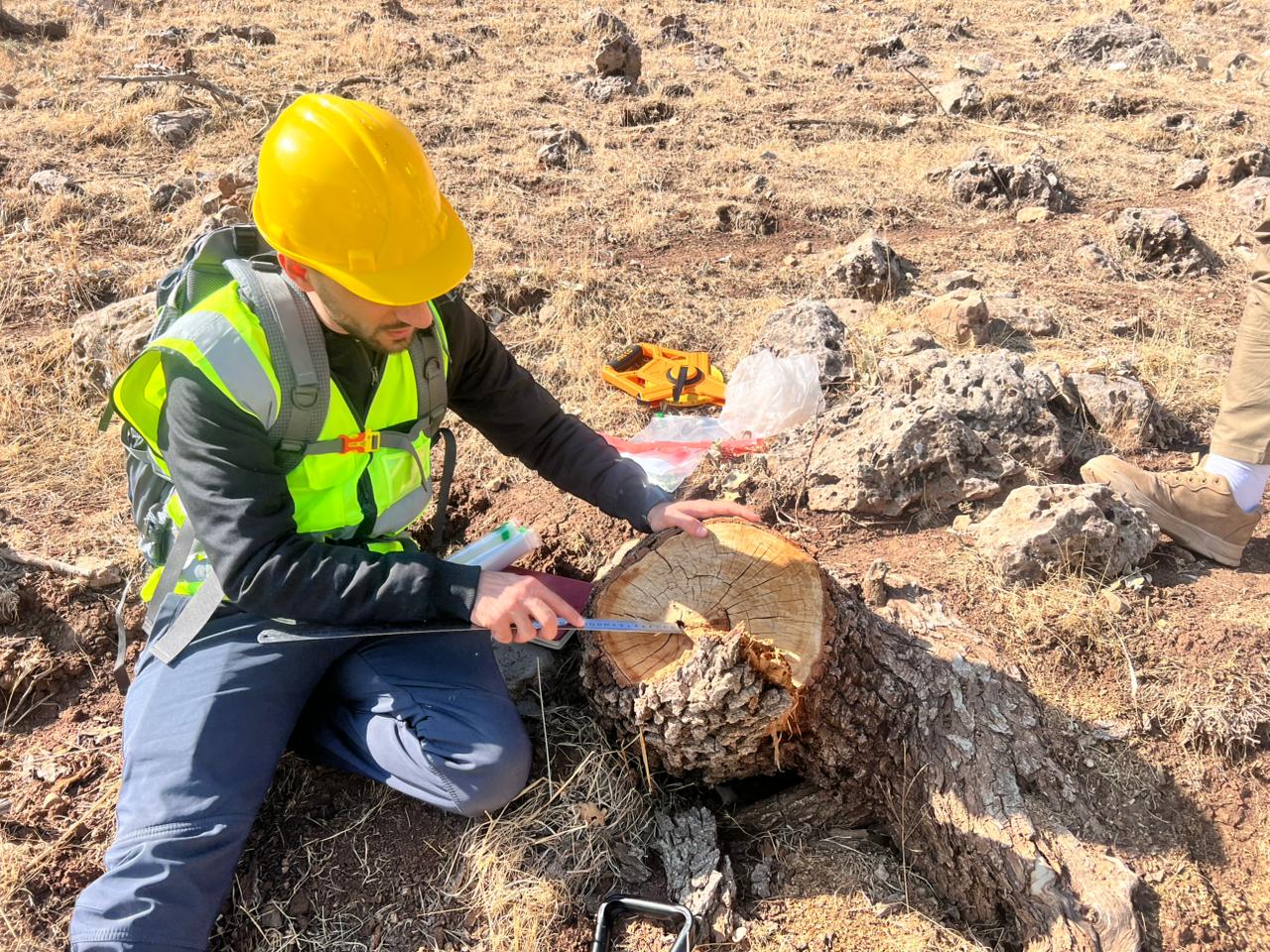
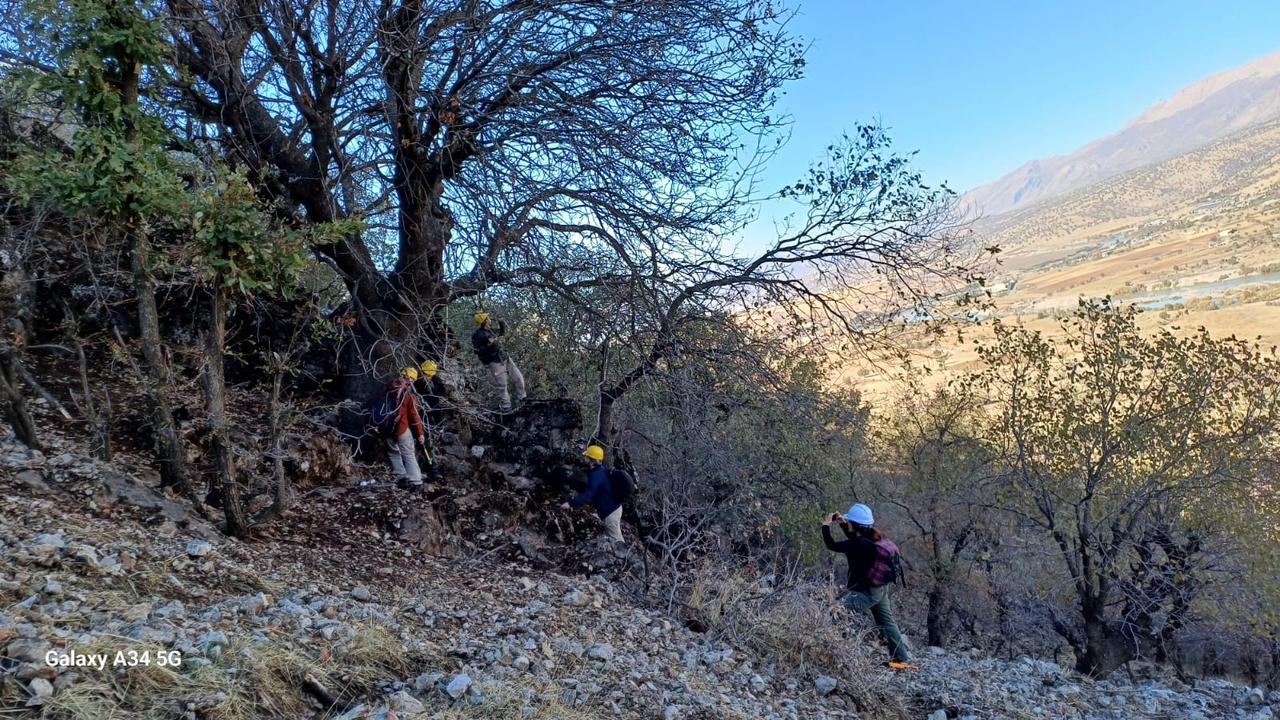
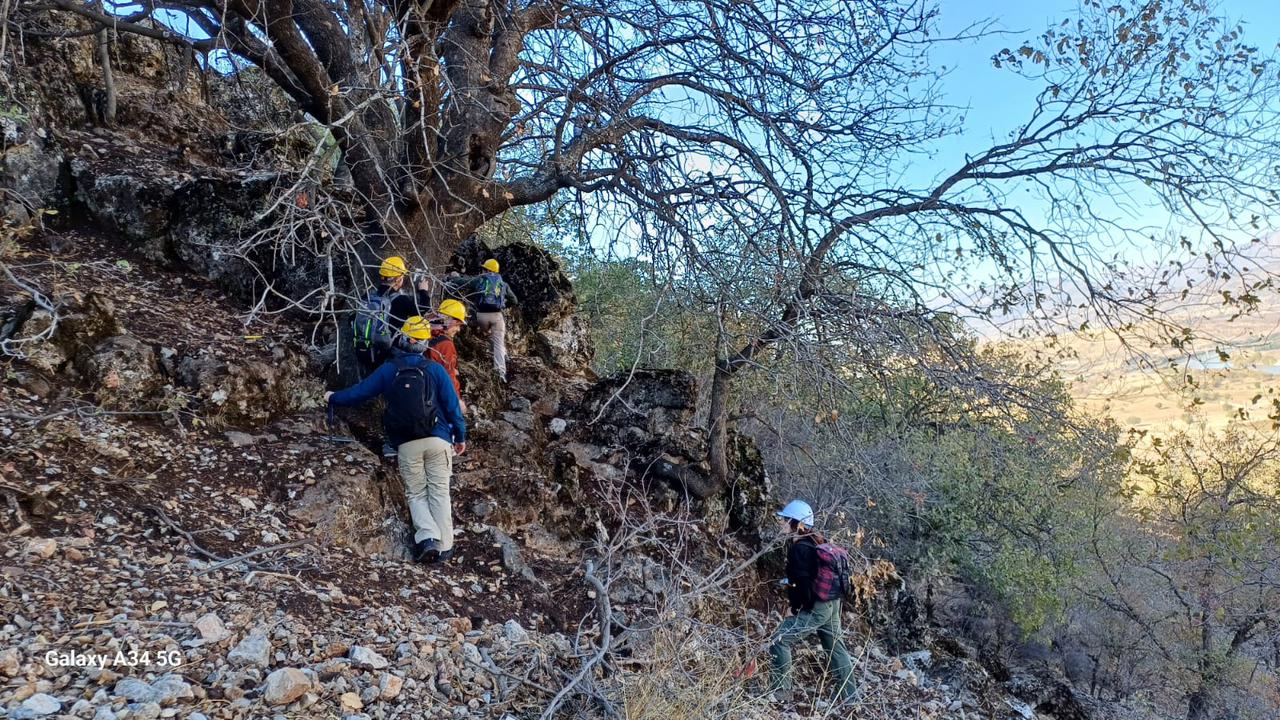
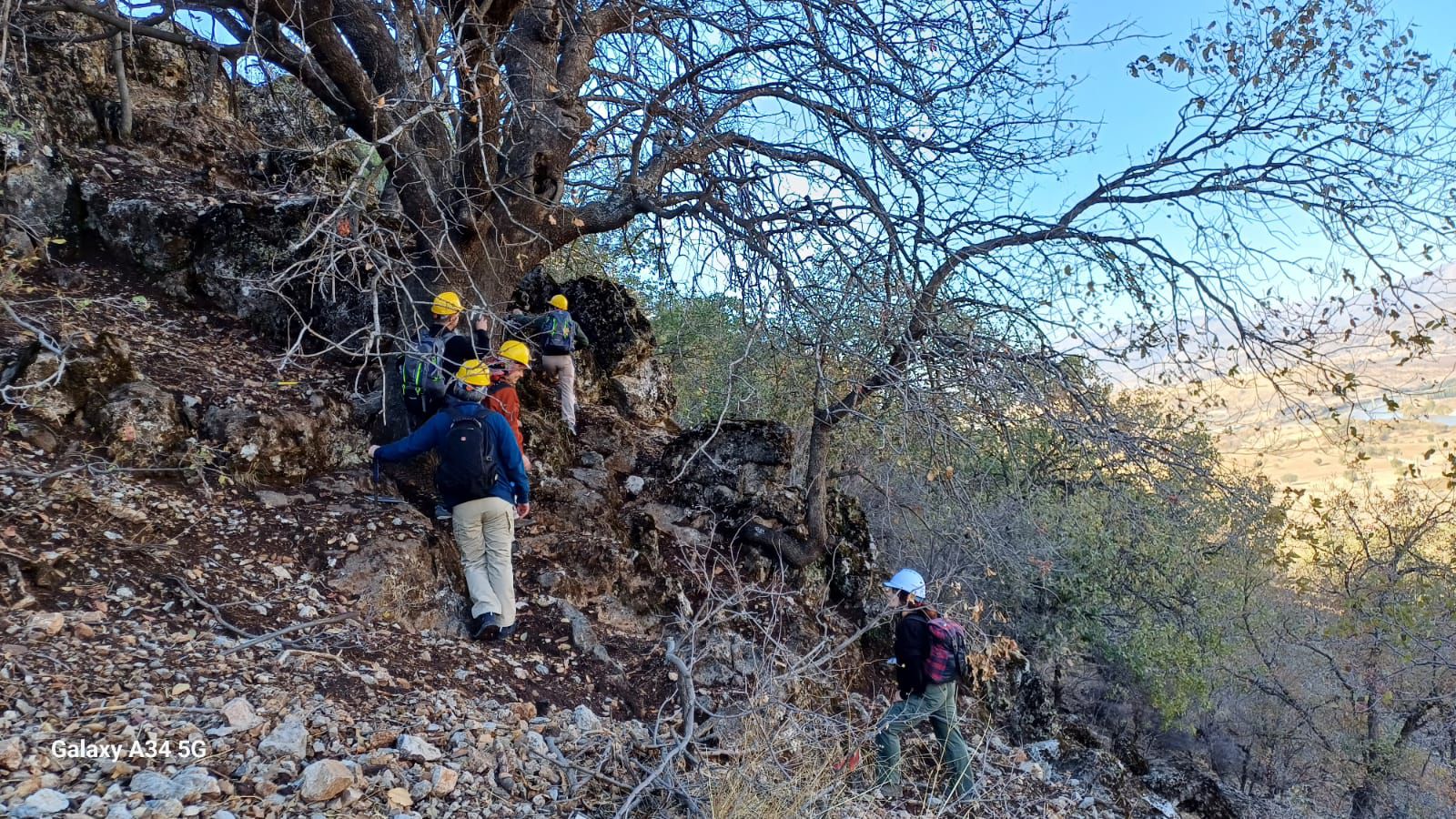
The attached photographs are part of the ongoing documentation of the fieldwork carried out by the research team of the Center for Climate Change Research and Sustainable Development at Soran University.
Prepared by:
Dilband Rawanduzi
Project Coordinator
Center for Climate Change Research and Sustainable Development
#MountainsMatter
#MountainPartnership
#IDM2025
Additional Images